Understanding Common Car Lighting Issues in Perth
Table Of Contents
Brake Light Malfunctions
A vehicle's brake lights are crucial for road safety, alerting drivers behind you when you slow down or stop. Malfunctions can arise from a range of issues, including blown bulbs, faulty wiring, or a defective brake light switch. Regular checks can prevent dangerous situations on the road. Awareness of brake light functionality not only ensures your safety but also complies with traffic regulations.
Drivers should be vigilant for signs that their brake lights may not be functioning properly. Common indications include dashboard warning lights or feedback from other drivers indicating a problem. If you notice that your brake lights are dim or do not activate when the brake pedal is pressed, it is essential to address the issue promptly. Maintenance or replacement can often resolve these problems, ensuring optimal safety while driving.
Recognising Warning Signs
One of the primary indicators of brake light malfunctions is the unlit or dimmed bulbs. If other drivers frequently signal you to check your lights, it’s time to take notice. A quick visual inspection can reveal problems. Look for cracked lenses or any signs of condensation within the housing, as these can indicate moisture issues that may affect bulb performance.
Another warning sign involves irregularities in your vehicle's dashboard indicators. Many modern cars are equipped with a dedicated warning light for brake system issues. If this light activates unexpectedly, it may point to a brake light malfunction or a more serious brake system problem. Detecting these signs early can prevent further complications and ensure safety on the road.
Fog Light Challenges
Fog lights serve a crucial role in enhancing visibility during adverse weather conditions, such as rain and fog. However, many drivers in Perth face challenges with their fog lights due to common issues like bulb burnout and misalignment. When fog lights are not correctly positioned, they can either fail to light up the road effectively or cause glare for oncoming traffic. Regular checks are essential to ensure these lights serve their intended purpose without compromising safety.
One of the most significant concerns regarding fog lights is the need for timely replacement. A burned-out bulb may go unnoticed until conditions worsen, leading to decreased visibility. It’s advisable to inspect fog lights periodically to confirm they are operational. Understanding when to replace these lights can greatly improve nighttime driving experiences, particularly in inclement weather. Depending on usage and environmental factors, fog lights should ideally be inspected and replaced proactively to maintain optimal performance.
When to Replace Fog Lights
Fog lights play a vital role in enhancing visibility during adverse weather conditions, such as fog and heavy rain. It's crucial to inspect these lights regularly for any signs of wear or damage. A common indication that it's time for a replacement includes noticeable dimming or yellowing of the lens. If the fog lights are flickering or failing to illuminate consistently, it’s also a clear sign that they may need to be replaced to ensure they function effectively when required.
Consider replacing fog lights if they exhibit physical damage, such as cracks or scratches on the lens. Damage not only reduces their efficacy but may also allow moisture to seep in, leading to further complications. Regular maintenance should include checking the alignment of fog lights, as misalignment can impact their ability to improve visibility. Ensuring fog lights are in optimal condition is essential for safe driving during challenging weather conditions.
Battery and Electrical System Impact
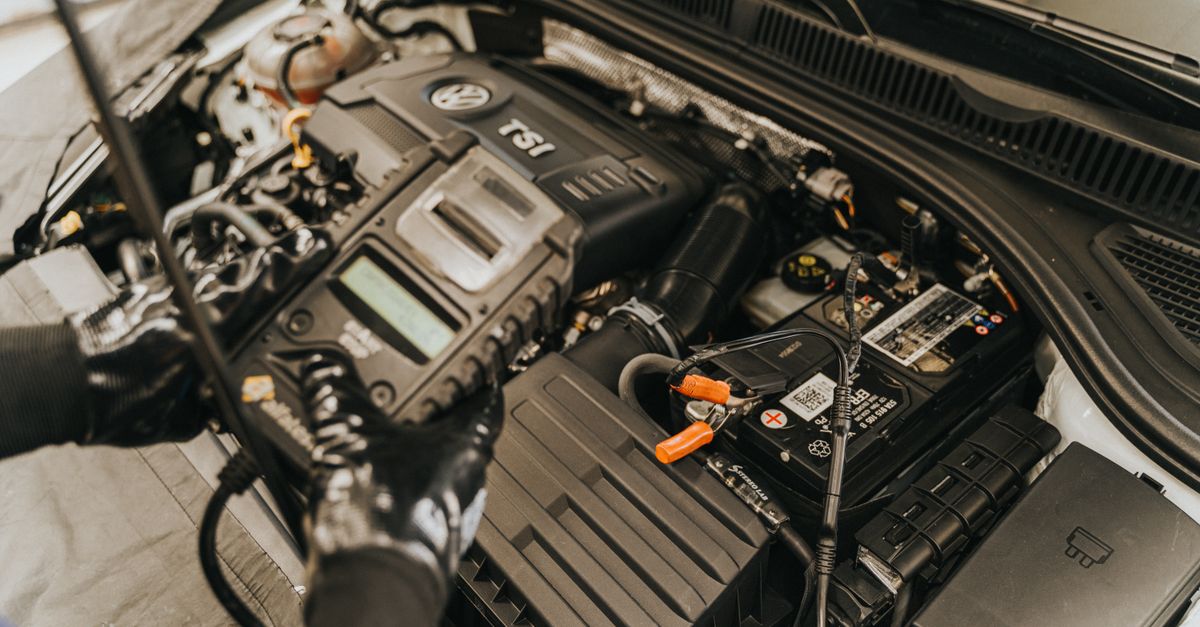
The relationship between a vehicle's battery and its lighting system is crucial for proper functionality. A weak or failing battery can lead to dim lights or flickering indicators. Modern vehicles rely on the electrical system to power various components, including headlights, tail lights, and interior illumination. If the battery is not providing sufficient charge, it can create noticeable issues that affect overall visibility and safety.
Electrical connections play a significant role in the effective operation of car lights. Corroded or damaged wiring can interrupt power flow, leading to malfunctioning lights or complete outages. Regularly inspecting the battery and the associated wiring is essential for preventing these problems. Ensuring clean connections and replacing any faulty components can help maintain optimal performance of the lighting system.
How Battery Issues Affect Lighting
The battery plays a critical role in powering a vehicle's lighting system. When the battery begins to weaken, its ability to supply the necessary voltage diminishes, leading to erratic lighting behaviour. Drivers may notice dimming lights or flickering indicators, signalling that the battery may be struggling to maintain a consistent charge. This instability can compromise safety, particularly in low-light conditions where visibility is crucial.
Furthermore, if the battery is failing, it might also impact auxiliary systems that rely on electrical energy. This includes not only headlights and brake lights but also interior lights and dashboard indicators. Ignoring these symptoms may lead to a complete battery failure, causing all lighting systems to malfunction. Regular battery checks and maintenance can help ensure that lighting issues are minimised and driving remains safe.
FAQS
What are some common signs of brake light malfunctions?
Common signs include the brake lights not illuminating when the pedal is pressed, a warning light on the dashboard, or other drivers indicating that your brake lights are not working.
How can I tell when it’s time to replace my fog lights?
It’s time to replace your fog lights if they are dim, flickering, or not functioning at all, especially during adverse weather conditions when they are most needed.
What impact do battery issues have on my car’s lighting system?
A weak or failing battery can lead to insufficient power supply, resulting in dim or flickering lights, and can ultimately affect other electrical systems in the vehicle as well.
How often should I check my car's lights for proper functioning?
It's advisable to check your car's lights at least once a month, or before long trips, to ensure they are all working properly and to avoid any potential safety issues.
Can I fix car lighting issues myself, or should I consult a professional?
Some minor issues, like replacing a bulb, can be done yourself, but for more complex problems, especially those related to the electrical system, it's best to consult a professional mechanic.
Related Links
Troubleshooting Indicators: What to Look ForHow to Identify Faulty Headlights in Your Vehicle
Common Mistakes Leading to Car Lighting Failures
The Importance of Regularly Checking Your Car's Lighting
Why Your Fog Lights Might Be Underperforming
Solutions for Flickering Car Lights in Perth Vehicles
Diagnosing Issues with Interior Car Lights
Signs Your Brake Lights May Need Attention
The Impact of Weather on Car Lighting Performance