How to Identify Faulty Headlights in Your Vehicle
Table Of Contents
Assessing Wiring and Connections
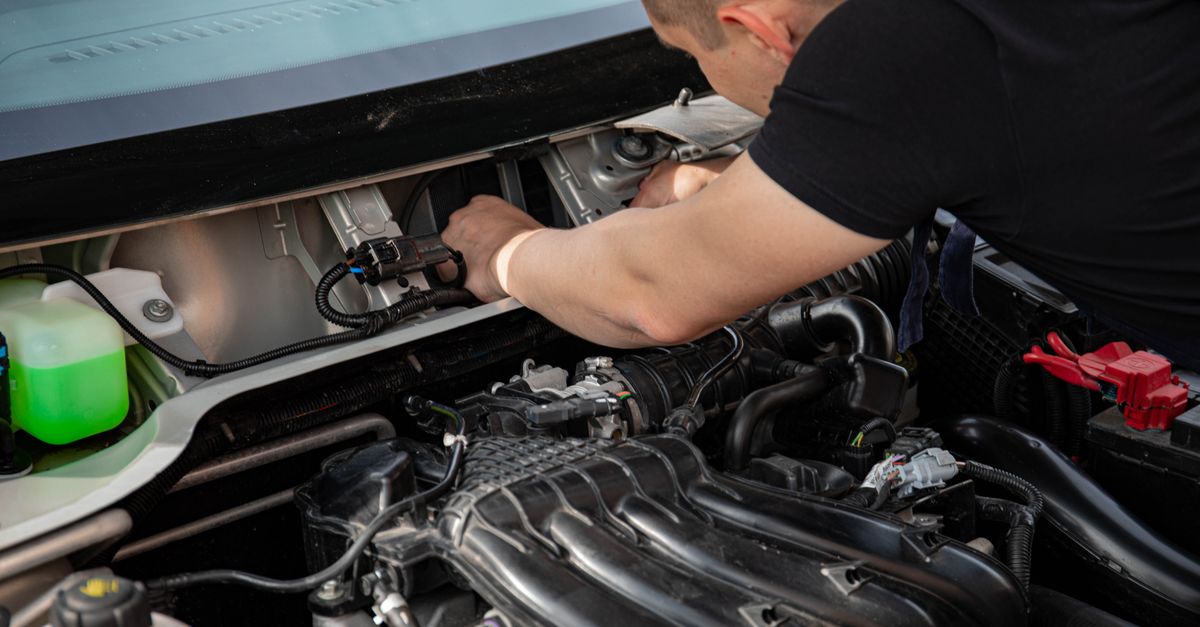
A thorough inspection of the wiring and connections associated with your headlights is essential for diagnosing potential issues. Look for any signs of wear or damage on the wires, such as fraying or cracking. Pay attention to the connectors as well, ensuring they are securely attached and free of corrosion. Corroded connections can disrupt the flow of electricity, leading to inconsistent headlight performance.
Consider checking for loose wires that may move or disconnect when the vehicle is in motion. Gently tugging on the wiring can help identify sections that may be overly stressed or compromised. If any damage is evident, replacing the affected wires and connectors is crucial to ensure reliable headlight functionality. Regular inspections can prevent small issues from developing into more significant problems, maintaining optimal visibility on the road.
Identifying Loose or Corroded Wires
Inspecting the wiring connected to your headlights is crucial for ensuring they function properly. Start by visually examining the wires for any signs of fraying, damage or corrosion. Corroded connectors can lead to poor electrical contact, causing the headlights to flicker or fail completely. A close look at the wiring harnesses, particularly where they connect to the headlight assembly, will often reveal issues that need immediate attention.
If you notice any loose connections, gently re-seating the wires may help restore power to the headlights. It’s also advisable to check for any moisture intrusion in the connections, as this can accelerate corrosion. Using a multimeter can aid in verifying that electrical continuity is intact throughout. Addressing these issues not only enhances headlight performance but also contributes to overall vehicle safety on the road.
Evaluating the Headlight Switch
The headlight switch plays a crucial role in the functioning of your vehicle's lighting system. A faulty switch can lead to inconsistent performance, making it difficult for you to determine when your headlights are operational. Regularly checking the switch for any signs of wear or damage is essential. Look for issues such as a lack of resistance when turning the switch or any unusual noises that may indicate internal problems.
Observing the behaviour of your headlights can offer clues about the health of the switch. If the lights flicker or fail to illuminate when turned on, this may signal a malfunction. It is wise to confirm that the switch is not only properly connected but also functioning smoothly. Occasionally, dirt and grime can accumulate, leading to poor conductivity. Ensuring the switch remains clean can prevent unnecessary complications.
Symptoms of a Malfunctioning Switch
A malfunctioning headlight switch can present several symptoms that are easy to overlook at first. Drivers may notice that the headlights do not turn on or off as expected. In some cases, the lights may flicker intermittently, which indicates that the switch is having trouble maintaining a stable connection. If the low beam illuminates while trying to operate the high beam, or vice versa, it further suggests issues with the switch.
Another telltale sign is the presence of a burning smell or a feeling of heat coming from the switch area. Such sensations often indicate electrical resistance, signalling a potential failure. Observing these indicators promptly may help in addressing the underlying issue before it escalates into a more significant problem, ensuring that your vehicle’s lighting functions reliably.
Importance of Proper Alignment
Proper alignment of headlights plays a critical role in ensuring optimal visibility while driving. When headlights are correctly aligned, they illuminate the road ahead without blinding oncoming traffic. Misaligned headlights can create dark spots and reduce the driver's ability to see obstacles or hazards. This can be particularly dangerous when driving at night or in poor weather conditions.
In addition to safety concerns, improper alignment can lead to increased wear on the headlight bulbs. This can result in more frequent replacements and unnecessary expenses. Regular checks and adjustments can help maintain alignment and prolong the life of the headlights. Ensuring that headlights are aimed correctly enhances overall driving experience and contributes to the safety of all road users.
How Misalignment Affects Visibility
Misalignment of headlights can lead to decreased visibility, making nighttime driving particularly hazardous. When the beams are not properly directed, they can either illuminate the road insufficiently or cause glare for oncoming drivers. This can obscure important details such as pedestrians, road signs, or obstacles, increasing the risk of accidents. In addition, poorly aligned headlights may not reach the full distance needed to identify threats ahead, which compromises overall safety.
Correct headlight alignment is essential for optimal function. Drivers may not realise that misaligned lights can affect the distance and width of illumination, leading to blind spots or areas that remain dark. Routine checks can help identify alignment issues before they develop into larger problems. Ensuring headlights are aimed correctly can enhance visibility while contributing to drivers' confidence on the road.
FAQS
How can I tell if my headlights are faulty?
You can identify faulty headlights by checking for dim or flickering lights, uneven brightness, or if they don’t turn on at all. Additionally, listen for any unusual sounds when you operate the headlight switch.
What should I look for when assessing wiring and connections?
When assessing wiring and connections, check for any loose or corroded wires, frayed cables, or signs of wear. Ensure that all connections are secure and free from rust or dirt.
How do I know if my headlight switch is malfunctioning?
Symptoms of a malfunctioning headlight switch include headlights that won’t turn on or off, flickering lights, or the headlights only working intermittently. If you experience these issues, the switch may need to be replaced.
Why is proper alignment of headlights important?
Proper alignment of headlights is crucial for road visibility. Misaligned headlights can cause poor visibility for the driver and can blind other drivers, creating safety hazards.
How can misalignment affect my visibility while driving?
Misalignment can result in headlights shining too high or too low, which can limit your ability to see the road and obstacles ahead. It can also cause glare for oncoming traffic, increasing the risk of accidents.
Related Links
Understanding Common Car Lighting Issues in PerthCommon Mistakes Leading to Car Lighting Failures
The Importance of Regularly Checking Your Car's Lighting
Why Your Fog Lights Might Be Underperforming
Solutions for Flickering Car Lights in Perth Vehicles
Diagnosing Issues with Interior Car Lights
Signs Your Brake Lights May Need Attention
The Impact of Weather on Car Lighting Performance
Troubleshooting Indicators: What to Look For